The Minnesota Supreme Court has ruled that Running Aces Casino, Hotel & Racetrack may expand its offerings to include new electronic table games, siding against the Shakopee Mdewakanton Sioux Community, which argued the move infringed on tribal gaming rights.
Background of the case
The dispute stems from a 2023 Minnesota Racing Commission decision approving an amended operations plan for Running Aces’ card club. The plan allowed the addition of one dealer table and 11 player stations using electronic table game technology.
Tribal leaders challenged the approval, claiming the expansion effectively authorised gambling devices—such as video games of chance—reserved exclusively for tribes under state-tribal compacts.
Arguments from both sides
From the perspective of the tribe, the Shakopee Mdewakanton Sioux Community argued the approval violated its exclusive rights to operate certain gambling machines, creating a direct threat to its compact with the state.
Meanwhile, the Casino and Commission responded by noting that Running Aces and the Racing Commission countered that electronic tables do not qualify as gambling devices under Minnesota law. They also questioned whether the tribe had standing to challenge the decision.
Supreme court’s split decision
According to the justices, they rejected the argument that the tribe lacked standing, acknowledging that its compact grants exclusive rights to specific gambling devices. However, the court remained divided on the broader challenge to the Racing Commission’s approval.
As a result, the Minnesota Court of Appeals’ earlier ruling stands—upholding the Commission’s decision and allowing Running Aces to continue operating under its amended plan.
Economic impact
Running Aces’ diversification beyond traditional card table positions the casino to attract younger players who are more familiar with electronic gaming. This shift is expected to increase the daily handle and overall casino revenue.
The introduction of “dealing assist” electronic tables moves Running Aces closer to the slot machine experience—a format that has proven highly profitable for tribal casinos. In addition to revenue growth, this expansion could generate new dealer and support staff positions, contributing to local employment.
However, the Shakopee Mdewakanton Sioux Community depends heavily on its exclusive rights to slot machines and video games of chance. These revenues are critical for funding healthcare, education, housing, and infrastructure for tribal members.
Tribal leaders warn that if racetrack casinos expand into electronic gaming, it could gradually destroy compact-based exclusivity, undermining long-term financial stability for their communities.
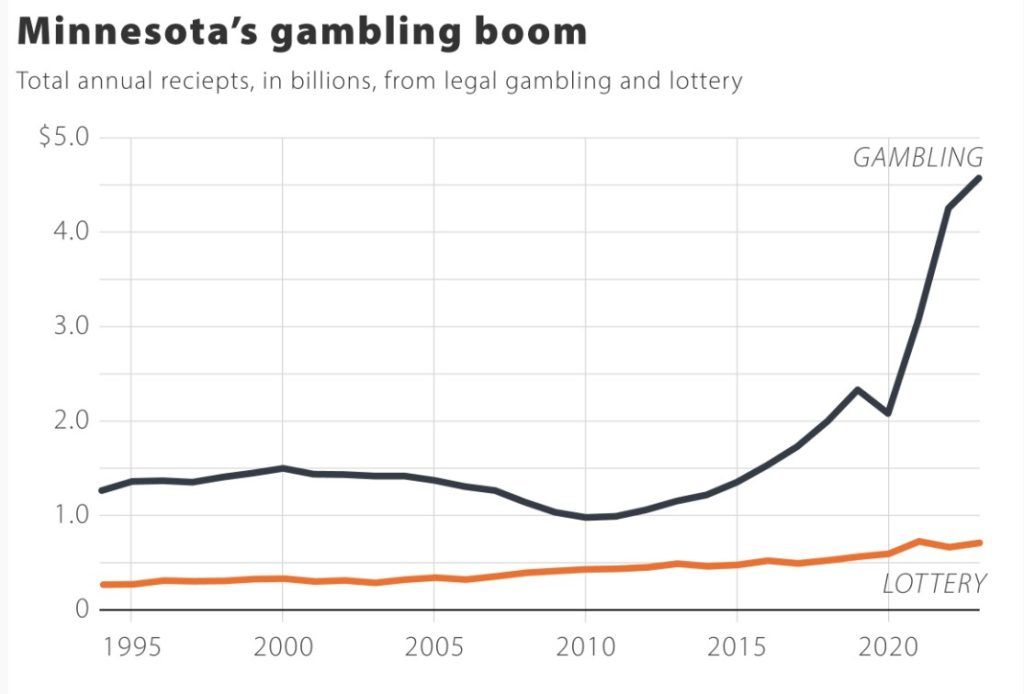
Racetrack casinos like Running Aces contribute to state law revenue, unlike tribal casinos that operate under sovereign compacts. This latest ruling could change gaming dollars into taxable channels.
(Source: Minnesota Gambling Control Board)
What’s next
The appellate court previously found that the electronic tables are not gambling devices under state law. Additionally, the Commission did not rely on unapproved rules. The updated floor plan also did not exceed the state’s 80-table limit for card clubs.
Despite the Supreme Court’s split ruling, Running Aces can proceed with its expanded offerings, marking a significant development in Minnesota’s ongoing debate over tribal and non-tribal gaming rights.
#Minnesota #RunningAces #GamingLaw #TribalGaming #ElectronicTableGames #GamblingRegulation #USGaming #CasinoIndustry #LegalUpdate

Welcome to Gambling Consulting Authority (GCA) - Your Strategic Partner in Gambling Industry Advancement