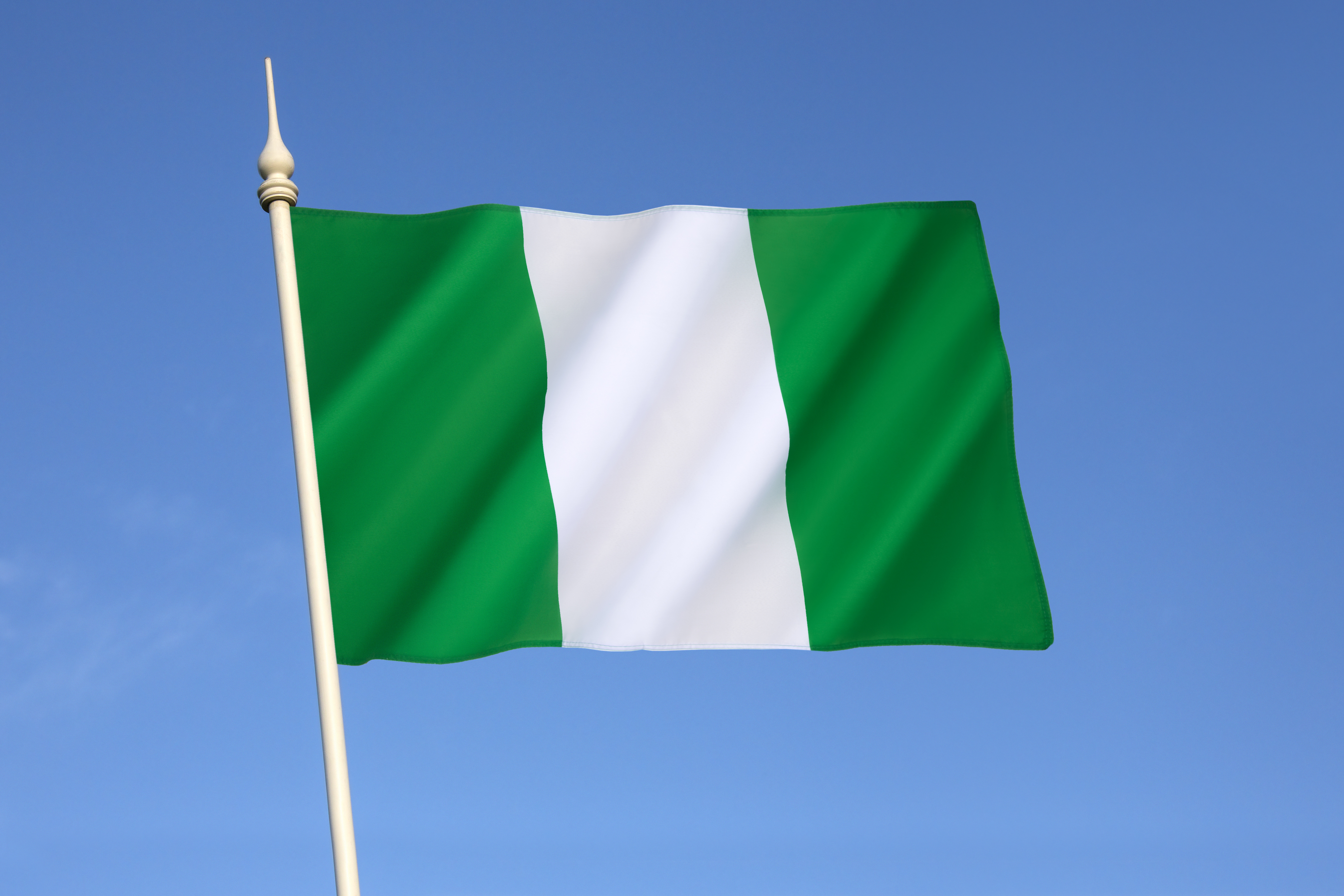
The Lagos State Lotteries and Gaming Authority (LSLGA) has introduced a five percent withholding tax on the net winnings of online bettors, effective immediately.
LSLGA Chief Executive Officer, Bashir Are, announced the measure on Thursday, confirming that deductions will apply across all Lagos-licenced gaming platforms—whether the player is a resident or not. The tax will be withheld at payout and remitted directly to the Lagos State Internal Revenue Service, according to a public notice.
The notice noted that the policy is part of a broader effort to strengthen tax compliance, transparency, and accountability in Nigeria’s fast-growing gaming sector.
Nigeria’s gambling industry has expanded rapidly in recent years, driven by online platforms and rising participation among young, tech-savvy players. The country’s legal gaming includes sports betting (such as Bet9ja and BetKing), lotteries, casinos, and promotional competitions.
Additionally, LSLGA states that operators must be registered with the Corporate Affairs Commission (CAC) and licenced by the LSLGA. As reported by several media outlets, Lagos is the country’s commercial hub, which accounts for a significant share of this activity and often serves as a testing ground for new regulations.
At the federal level, the National Lottery Act of 2005 and the National Lottery Regulation of 2007 remain the key frameworks. States, however, maintain their own gaming and tax laws. In Lagos, oversight comes from the Casino and Gaming Regulatory Authority Law and the Lagos State Lottery Law, amended in 2008. Contrastingly, in the Anambra State, it relies on its Gaming Law of 2005. In 2024, the Supreme Court ruled that states hold primary jurisdiction, as mentioned by several local media reports.
The public notice also adds that by introducing the withholding tax, Lagos aims to capture revenue from online platforms while reinforcing compliance. However, industry observers mentioned in local media outlets warn that higher taxes may push players toward unlicensed or offshore platforms, undermining the state’s objectives.
Nigeria lacks a unified regulatory framework. In December 2025, President Bola Ahmed Tinubu declined to sign the proposed Central Gaming Bill, which sought to consolidate oversight under a single national commission. States therefore retain independent authority, resulting in inconsistent rules across the country. This patchwork complicates enforcement, discourages investment, and limits long-term growth potential.
According to media reports, Kenya has also applied a five percent withholding tax, but it only targets withdrawals and five percent excise duty on deposits. But in South Africa, it has proposed a 20 percent withholding tax—a number that is much higher compared to Lagos—which serves as a tool to curb gambling behaviour. Meanwhile, in Ghana, operators are taxed heavily at 20 percent Gross Gaming Revenue (GGR). The country’s repeal of the winnings tax reveals the political sensitivity of taxing bettors.
Additionally, regional trends highlight other contrasting approaches. Lagos and Kenya focus more on revenue generation. Meanwhile, South Africa emphasises social concerns, and Ghana’s repeal underscores the risk of public backlash. For Lagos, the challenge will be balancing revenue goals with fairness and compliance.
#Nigeria #Lagos #GamingRegulation #SportsBetting #TaxPolicy #Africa #iGaming #Compliance

Welcome to Gambling Consulting Authority (GCA) - Your Strategic Partner in Gambling Industry Advancement