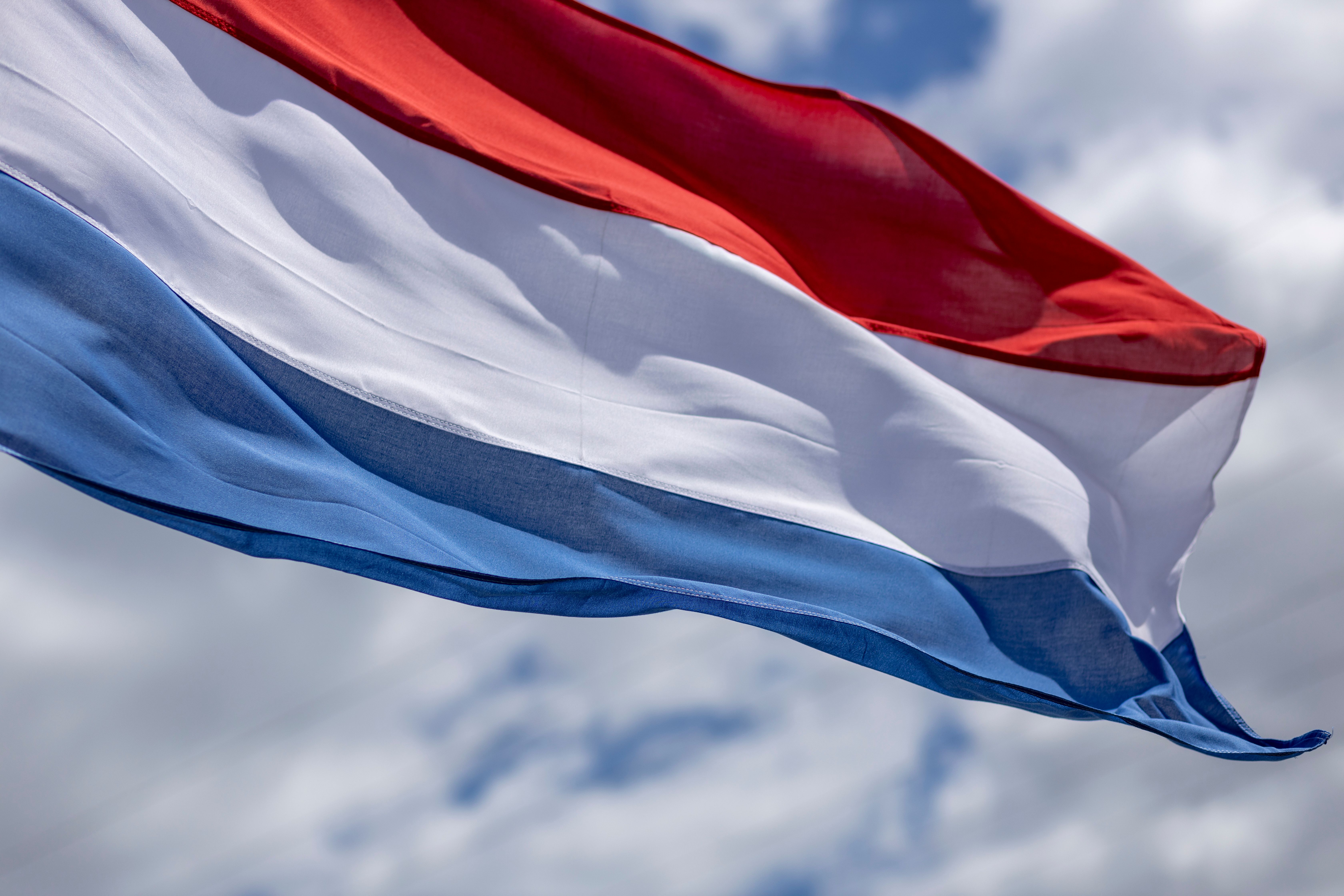
The Dutch gambling regulator has ordered prediction market platform Polymarket to stop offering bets in the Netherlands, threatening weekly penalties of €420,000.
In a decision that underlines Europe’s increasingly hard line on prediction markets, the Kansspelautoriteit (KSA) said the platform was offering illegal gambling to Dutch consumers. The regulator warned the company could face penalty payments of up to €840,000 if it failed to comply with the order.
The decision places the Netherlands alongside France, Belgium and several other European jurisdictions that have concluded prediction markets fall within their definition of gambling, even when operators argue they are offering financial “event contracts” rather than traditional bets.
“In the Netherlands, betting on non-sporting events, such as political outcomes, is explicitly prohibited,” the regulator explained to SiGMA News. “This prohibition applies regardless of whether an operator holds a licence. Such bets are not eligible for licensing under the Dutch regulatory framework.”
The Netherlands opened its regulated online gambling market in 2021, but lawmakers opted for a tightly defined model. “The Dutch gambling system is deliberately restrictive,” the KSA explained. “Only specifically defined categories of gambling may be offered, and only by licensed operators.”
“Platforms such as Polymarket operate on so-called prediction markets, allowing users to speculate on the outcome of real-world events,” the KSA added. “This constitutes offering prohibited gambling. In addition, where sports betting is offered, this requires a Dutch licence. Polymarket does not hold such a licence.”
In a formal enforcement notice published on 17 February, the regulator confirmed it had imposed a penalty order on Adventure One QSS Inc., which operates Polymarket. The company had been “offering games of chance on the Dutch market without the required licence”, the KSA said.
At that time, the regulator stated that Polymarket had remained accessible to Dutch users despite prior contact. “After contact with the company about the illegal activities on the Dutch market, no visible change has occurred, and the offer is still available,” it said.
Ella Seijsener, the KSA’s director of licensing and supervision, said the regulator regarded the issue as clear-cut. “Prediction markets are on the rise, also in the Netherlands,” she said. “This kind of company offers bets that, in our market, are in any case not permitted, not even by licence holders. In addition to the societal dangers of this type of prediction (for example, the possible influence on elections), we establish that this concerns illegal gambling. Whoever does not have a licence from the KSA has no place on our market. That also applies to this type of new gambling platform.”
In its detailed response, the KSA set out the policy reasoning behind the ban. “These restrictions are in place for several important reasons,” it told SiGMA News. “There is no regulatory oversight of these platforms, meaning there are no safeguards for consumers, no controls to prevent gambling addiction, and no mechanisms to ensure fair play.”
The regulator also pointed to broader integrity risks. “In addition, betting on political or societal outcomes creates risks of manipulation, conflicts of interest and corruption, as participants may have the ability or incentive to influence the events they are betting on.”
Across Europe, regulators have begun to voice similar concerns as prediction markets spread from sports and financial benchmarks to elections, geopolitics and other security-linked events. During recent Dutch elections, Polymarket hosted markets on political outcomes, drawing significant media attention.
The KSA said the Dutch framework had been “carefully designed to protect consumers, prevent gambling-related harm, and safeguard public trust in societal institutions” and added: “At present, we see no indication that this policy position will change.”
For now, the regulator says access from within the Netherlands has ceased. “We can confirm that it is currently no longer possible to place bets on Polymarket from within the Netherlands,” it told SiGMA News, adding that it “continues to monitor compliance with Dutch gambling legislation” and could not provide further details about possible additional measures.
Industry figures estimate that roughly half of online gambling activity in the country takes place on unlicensed platforms, following a series of tax increases and advertising restrictions that critics argue have pushed consumers offshore.
At an industry conference, Peter-Paul de Goeij, founder of the Netherlands Online Gambling Association, warned that only 49% of online gambling revenue currently flows to licensed operators.
Against that backdrop, the KSA’s action against Polymarket highlights a tension facing regulators across Europe: how to enforce strict national rules in an online environment where platforms can operate across borders.
#Netherlands #KSA #Polymarket #PredictionMarkets #GamingRegulation #Compliance #Europe #iGaming #ConsumerProtection #RegulatoryUpdate
Welcome to Gambling Consulting Authority (GCA) - Your Strategic Partner in Gambling Industry Advancement