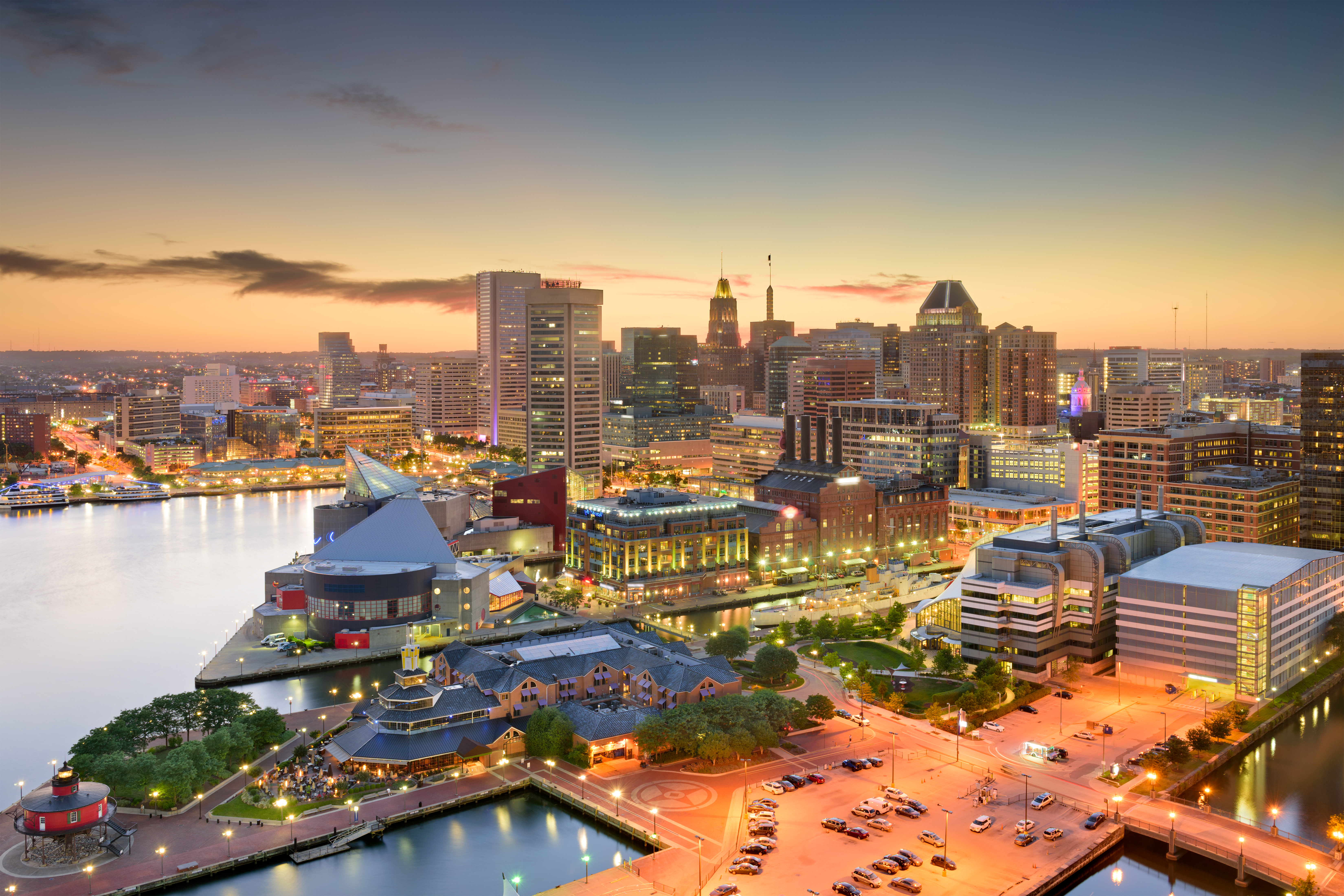
Baltimore has filed suit against six social casino companies, accusing them of operating unlawful online gambling platforms accessible to city residents. The city officials took legal action on Wednesday with the support of Dicello Levitt, alleging that the operators masked illegal gambling as sweepstakes. At the centre of the case is the use of dual-currency systems, which allow players to purchase virtual coins and wager them for real cash prizes.
Defendants include B2 Services, Blazesoft Ltd., High 5 Entertainment, Stake.us, VGW Holdings, and Yellow Social Interactive Limited, which are mostly headquartered outside the United States. Baltimore argues that these firms offered platforms to residents without authorisation to operate in Maryland.
In Washington, for example, the 2025 state’s verdict against High 5 Games is the first jury ruling to classify casino mechanics as illegal gambling, thus strengthening Baltimore’s argument. The jury ordered $24.9 million in damages to consumers, as reported by media outlets.
Additionally, in San Jose, California, the ruling against Apple, Google, and Meta shows courts are willing to hold distributors accountable, not just the casino operators.
Federal law generally reinforces state gambling regulations but can intervene when activities cross state lines, involve fraud, or target vulnerable groups. Baltimore asserted that the companies violated the city’s Consumer Protection Ordinance by marketing gambling products as sweepstakes casinos.
Officials further allege that advertising campaigns targeted minors with video game-style graphics and social media promotions. Mayor Brandon M. Scott underscored the city’s stance. As quoted by media outlets, he said that illegal gambling operators are not welcome in the city. These companies prey on vulnerable groups, including young people and minors, while profiting and ignoring the law.
The city seeks civil penalties, restitution for affected consumers, injunctive relief, and recovery of profits allegedly generated through illegal activity. This marks Baltimore’s second lawsuit against gambling operators. Last April 2025, officials sued DraftKings and FanDuel for similar violations.
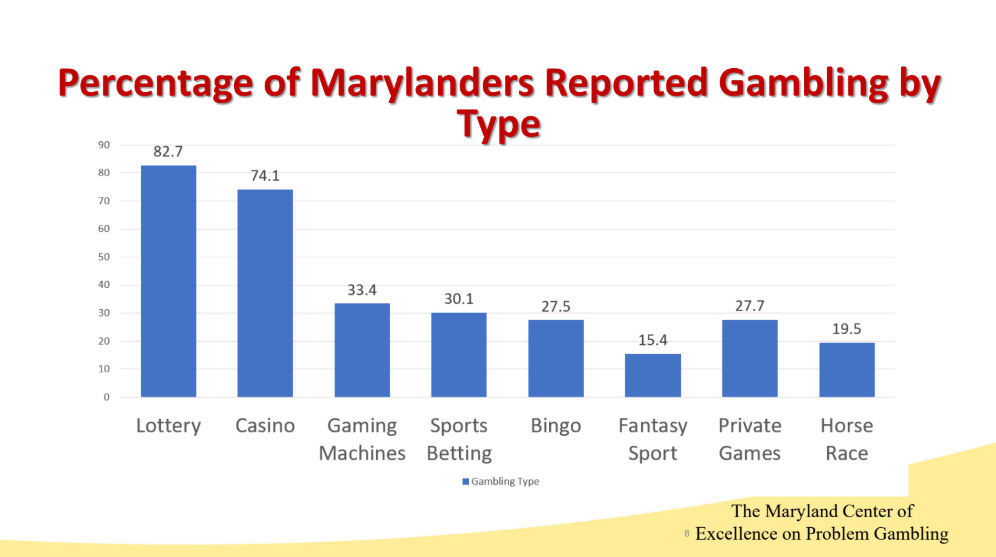
(Source: The Maryland Excellence on Problem Gambling)
The lawsuit coincides with Maryland’s ongoing debate over legalising regulated online casino gaming. Two bills—Senate Bill 761 and Senate Bill 885—propose frameworks for statewide iGaming. Beginning with SB 761, it allows a referendum to be held on the November 2026 ballot, asking voters to authorise internet gaming for public programmes such as education.
Meanwhile, SB 885 outlines regulatory structures regarding voters’ approval, resulting in assigning oversight to the Maryland State Lottery and Gaming Control Commission—where it dictates licencing rules, operational standards, and consumer protections, while limiting participation to existing casino operators and approved partners. Both bills remain stalled in the General Assembly.
Legalisation could generate hundreds of millions in new tax revenue, according to state-commissioned studies comparing Maryland to markets like New Jersey and Pennsylvania. Funds could be earmarked for education and other public programmes.
Yet risks loom. A report by the Sage Policy Group, commissioned by the Anne Arundel County Chamber of Commerce, warned legalisation could reduce statewide personal income by $65 million annually, cut state income tax revenue by $1.9 million, and shrink local income tax revenue by $1.2 million. Analysts also caution that online gambling may cannibalise spending at physical casinos, threatening jobs and local economic activity.
#OnlineGambling #GamblingRegulation #ConsumerProtection #GamingIndustry
Welcome to Gambling Consulting Authority (GCA) - Your Strategic Partner in Gambling Industry Advancement