The European Gaming and Betting Association (EGBA) has taken aim at a proposed EU online gambling levy on top of national gambling taxes, describing the plans as ‘fundamentally unworkable’.
A EU online gambling levy would only benefit illegal operators, says the EGBA, at the ‘expense of consumer protection’ and reducing member states’ tax revenues.
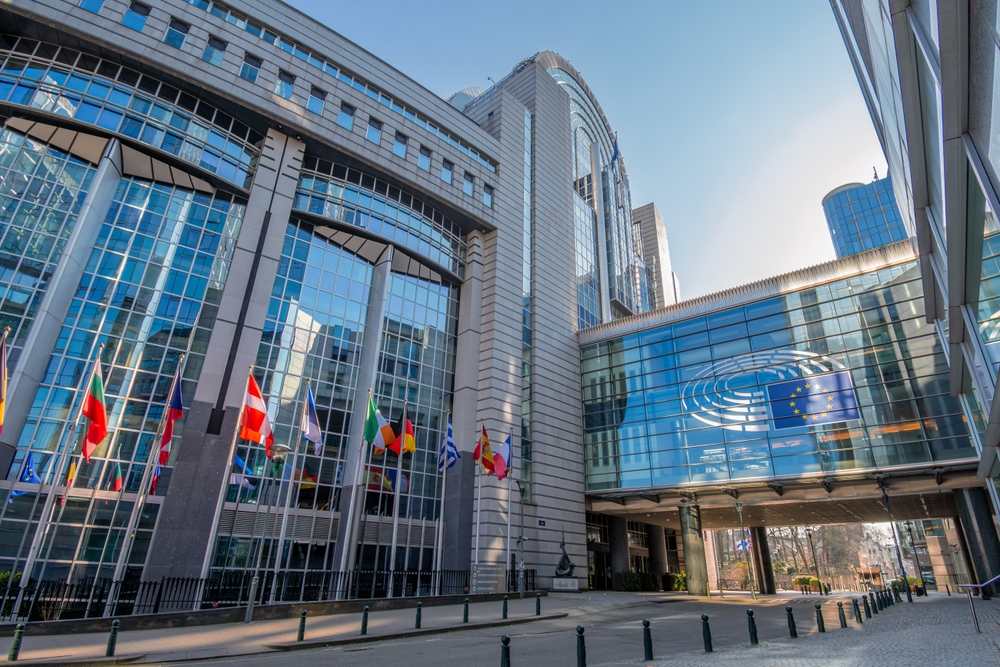
The European Parliament’s Budget Committee voted 26-9 (five abstentions) in favour of the EU’s next long-term budget, the Multiannual Financial Framework (MFF) for 2028-2034, which mentions potential new direct revenue streams, including an EU online gambling levy.
The framework now progresses to the next stage, but EGBA Secretary General Maarten Haijer is asking legislators to reconsider the levy given its potential impact on the industry.
Haijer stated: “Today’s vote is a tentative, conditional call on Member States to explore the idea of an EU online gambling levy. It is neither a proposal nor a decision. Gambling is currently not harmonised at the EU level, and there is no legal basis to define, administer, or collect such a levy.
“Setting aside these legal obstacles, adding yet another levy on top of existing national taxes – in a sector where licensed operators in some Member States are already taxed at rates exceeding 50% of gross gaming revenue – would only have one winner: illegal operators.”
Victor Negrescu, Vice President of the European Parliament, proposed a unified levy on European online gambling and betting providers during a plenary session back in February, stating it could generate “€2bn-€4bn per year” in additional funding.
The levy would require unanimous agreement from all 27 member states, acting through the EU Council, to become a new direct revenue stream for the EU budget.
The European Parliament is expected to vote on the Committee opinion at its plenary in late April, after which formal MFF negotiations will begin, with a conclusion expected by the end of 2026.
Haijer added: “Because they pay no tax, illegal operators can already offer players more attractive products and prices without any of the consumer safeguards that licensed operators provide.
“Adding an EU levy would make this situation even worse: expanding the black market, harming consumer protection for EU citizens, and reducing overall tax revenues for Member States.”
#EU #GamingRegulation #TaxPolicy #Compliance #OnlineGambling #Europe #PublicPolicy

Welcome to Gambling Consulting Authority (GCA) - Your Strategic Partner in Gambling Industry Advancement