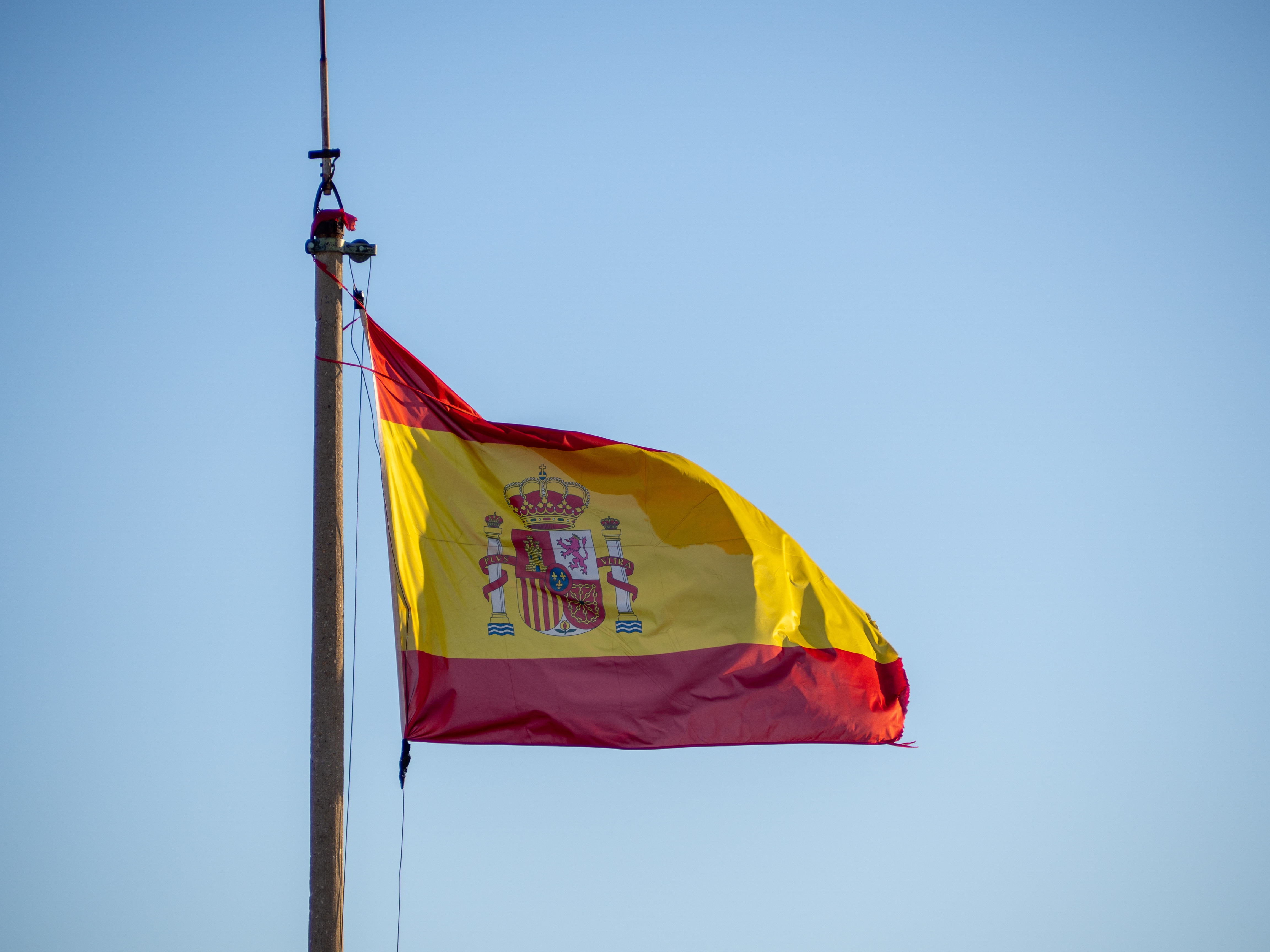
Spain’s Ministry of Consumer Affairs has announced the launch of a new funding programme aimed at supporting research into gambling-related disorders. The initiative comes amid intensified government efforts to strengthen consumer protection and update gambling regulation.
The programme opens a competitive call for universities and research institutions seeking grants to study gambling-related harm. The application deadline is set for 22 June 2026.
The total budget of the initiative is €950,620 ($1.03 million), and it will fund research in key areas, including:
Public and private research centres will be able to apply via the electronic platform of the Directorate General for Gambling Regulation (DGOJ). All funded projects must be completed by 30 June 2027.
According to officials, the programme is intended to expand Spain’s scientific and statistical evidence base on gambling-related harm, which is particularly important amid the rapid growth of online gambling and ongoing digitalisation of the sector.
The initiative forms part of a broader regulatory strategy implemented by the Spanish government and the DGOJ, aimed at strengthening oversight of the online gambling sector.
Agenda 2030
Since 2020, Spain’s Ministry of Consumer Affairs has been responsible for national gambling policy and the functions of the DGOJ, pursuing a regulatory approach increasingly focused on consumer protection and digital safety.
Last week, the Ministry and the DGOJ launched a public consultation on amendments to Spain’s Gambling Regulation Act, reviving efforts to tighten advertising controls, improve prevention measures, and expand regulatory tools to combat illegal gambling.
A key focus of the review is the tightening of rules on gambling advertising involving influencers and public figures.
Spain has previously attempted to strengthen advertising restrictions under the Royal Advertising framework. However, stricter rules faced legal and procedural challenges after measures targeting influencers, athletes, and celebrity endorsements were deemed to exceed the DGOJ’s mandate and require a broader legislative framework.
DGOJ under time pressure
The government now aims to reintroduce advertising restrictions as part of its 2026 reform programme.
The public consultation is also part of a broader effort to modernise Spain’s gambling legislation, which has remained largely unchanged for more than 15 years. Lawmakers emphasise that the regulatory framework must evolve in line with the growth of online gambling and changing digital consumer behaviour.
Spanish operators are still awaiting further technical guidance from the DGOJ on responsible gambling measures, including a proposed player-protection algorithm and a unified deposit-monitoring system for licensed operators.
These initiatives were originally expected to be tested in 2025 but have yet to be deployed in live operational environments.
Officials from the Ministry of Consumer Affairs have also indicated plans to tighten search engine visibility requirements, potentially restricting gambling-related search results to licensed operators only.
The research funding programme is expected to strengthen the scientific and analytical foundation of future reforms, providing regulators and policymakers with data to design measures to reduce gambling-related harm and reinforce consumer protection in Spain.
#Spain #ResponsibleGaming #GamingRegulation #ConsumerProtection #OnlineGaming #Compliance #GamblingResearch #PlayerProtection #GamingIndustry

Welcome to Gambling Consulting Authority (GCA) - Your Strategic Partner in Gambling Industry Advancement