Singapore recorded 1.61 million international visitor arrivals in August 2026, marking a 0.3 percent year-on-year decrease and a 1.2 percent decline compared to July. Data released by the Singapore Tourism Board (STB) indicates that while overall volume remained relatively stable, overnight stays dropped by 2.2 percent, reflecting a broader trend toward shorter holiday durations.
Shifts Across Key Source Markets
Mainland China maintained its position as Singapore’s largest feeder market, accounting for 435,440 arrivals a 9.4 percent increase compared to August 2025. Representing approximately 27 percent of all foreign visitors for the month, Chinese travelers recorded an average stay of 3.71 days, surpassing the global average of 3.46 days. Indian visitors posted the longest average stay among the top five markets at 5.95 days.
Indonesia and Malaysia ranked second and third overall, generating 161,680 and 94,200 arrivals respectively. While Indonesian visitor volume remained stable year-on-year, arrivals from Malaysia grew by 6.2 percent. Japan (92,960) and India (87,770) rounded out the top five, though arrival durations for Indonesia, Malaysia, and Japan fell below the global average.
Cumulative figures for the first eight months of 2026 show total international arrivals reaching 11.43 million, representing a 1.7 percent decline compared to the same period in 2025. Overnight visitors totaled 8.37 million (73.2 percent of all arrivals), down 3.2 percent year-on-year, with the average length of stay contracting to 3.43 days. The cumulative volume positions Singapore at 67.2 percent of the lower end of STB’s full-year target of 17 million visitors.
Implications for Integrated Resorts and Market Structure
The shifts in stay duration directly impact Singapore’s land-based gaming sector, which relies on integrated resort (IR) models combining casino operations with extensive MICE, hotel, dining, and leisure infrastructure.
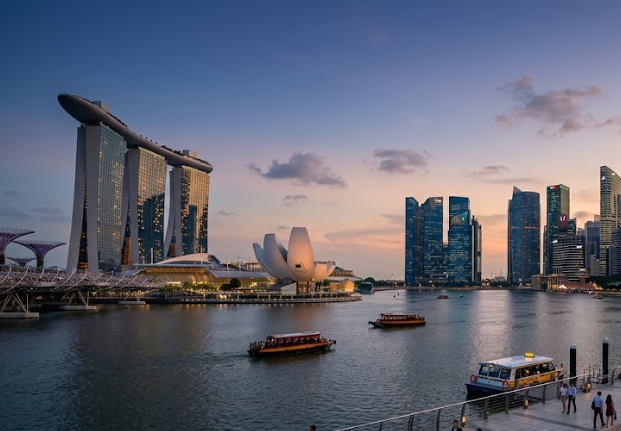
To capture higher-value, longer-stay tourism, operators Marina Bay Sands (MBS) and Resorts World Sentosa (RWS) are progressing with combined expansion commitments of approximately S$10 billion. The expansion of Marina Bay Sands encompasses a 15,000-seat entertainment arena, expanded MICE facilities, and a luxury all-suite hotel tower. Concurrently, Resorts World Sentosa is expanding its footprint through the Waterfront Lifestyle Complex, the newly expanded Singapore Oceanarium, and major entertainment additions including Illumination's Minion Land and Super Nintendo World at Universal Studios Singapore.
The commercial framework remains strictly partitioned between destination-based land-based gaming and remote channels. While foreign visitors can access physical casinos at MBS and RWS, domestic legal remote gambling is strictly restricted under local law to state-authorized operator Singapore Pools, leaving unlicensed offshore platforms strictly prohibited.
#Singapore #STB #MarinaBaySands #ResortsWorldSentosa #IntegratedResorts #TourismStatistics #AsiaGaming #MarketIntelligence

Welcome to Gambling Consulting Authority (GCA) - Your Strategic Partner in Gambling Industry Advancement